How to Choose Where to Go in Switzerland
Switzerland has so much variety that the best destination depends on the kind of trip you want.
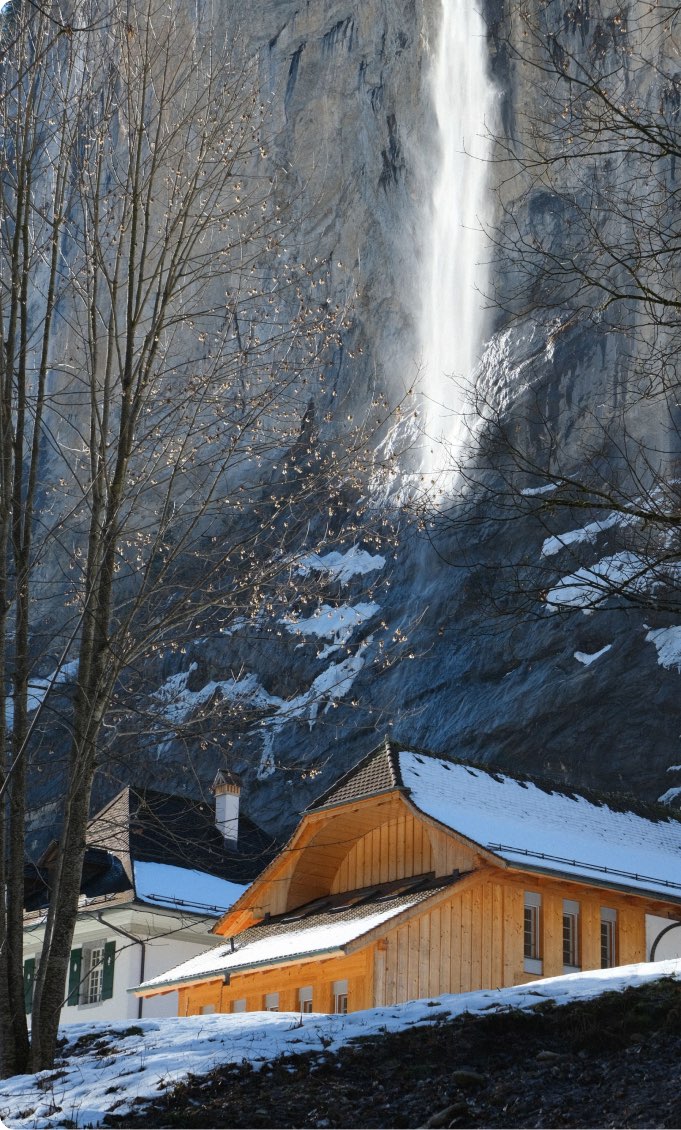
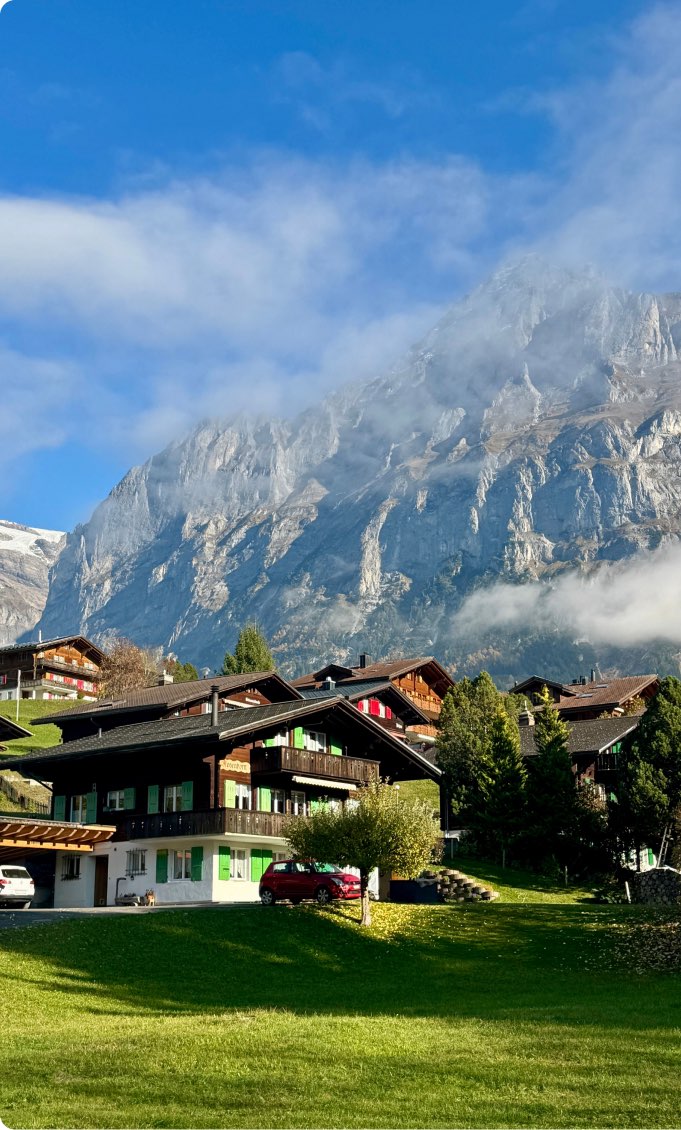
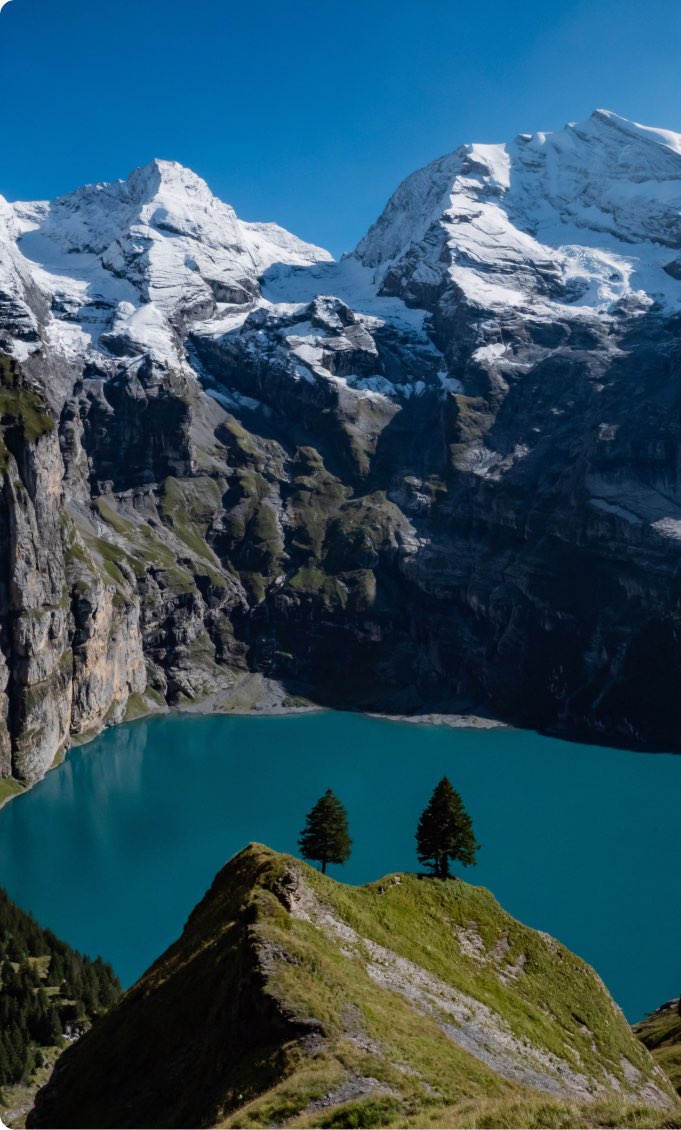
🏔️ If you want dramatic mountain scenery
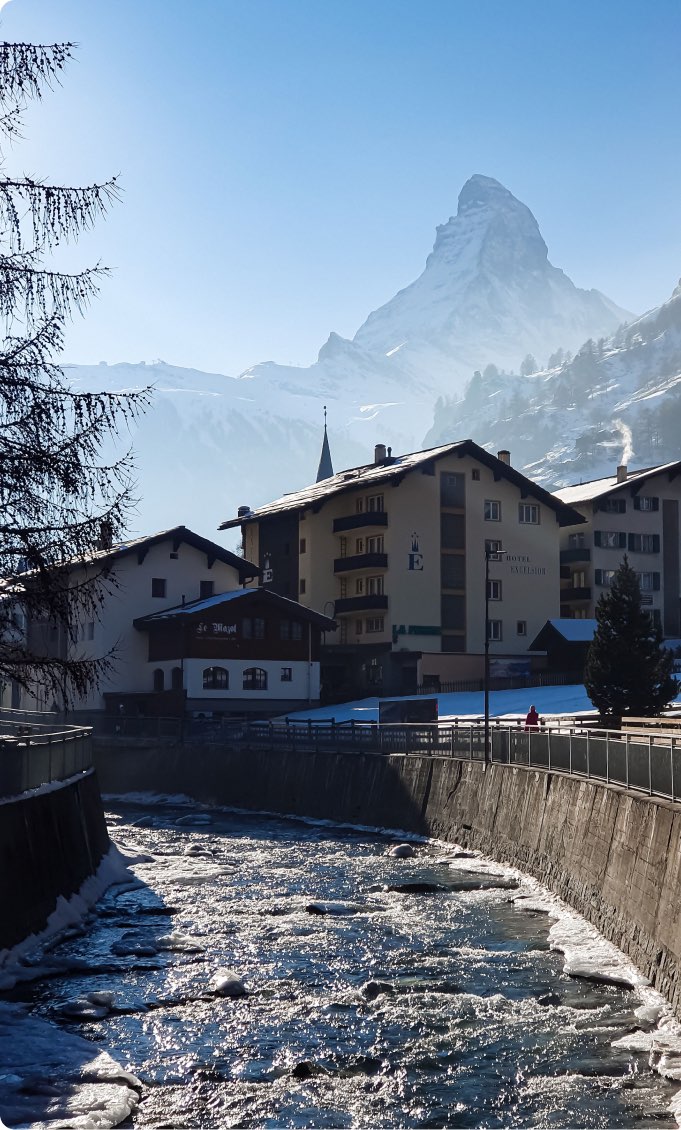
Choose Lauterbrunnen, Grindelwald, or Zermatt.
These are the places to go when you want the Switzerland of enormous peaks, alpine valleys, and unforgettable views.
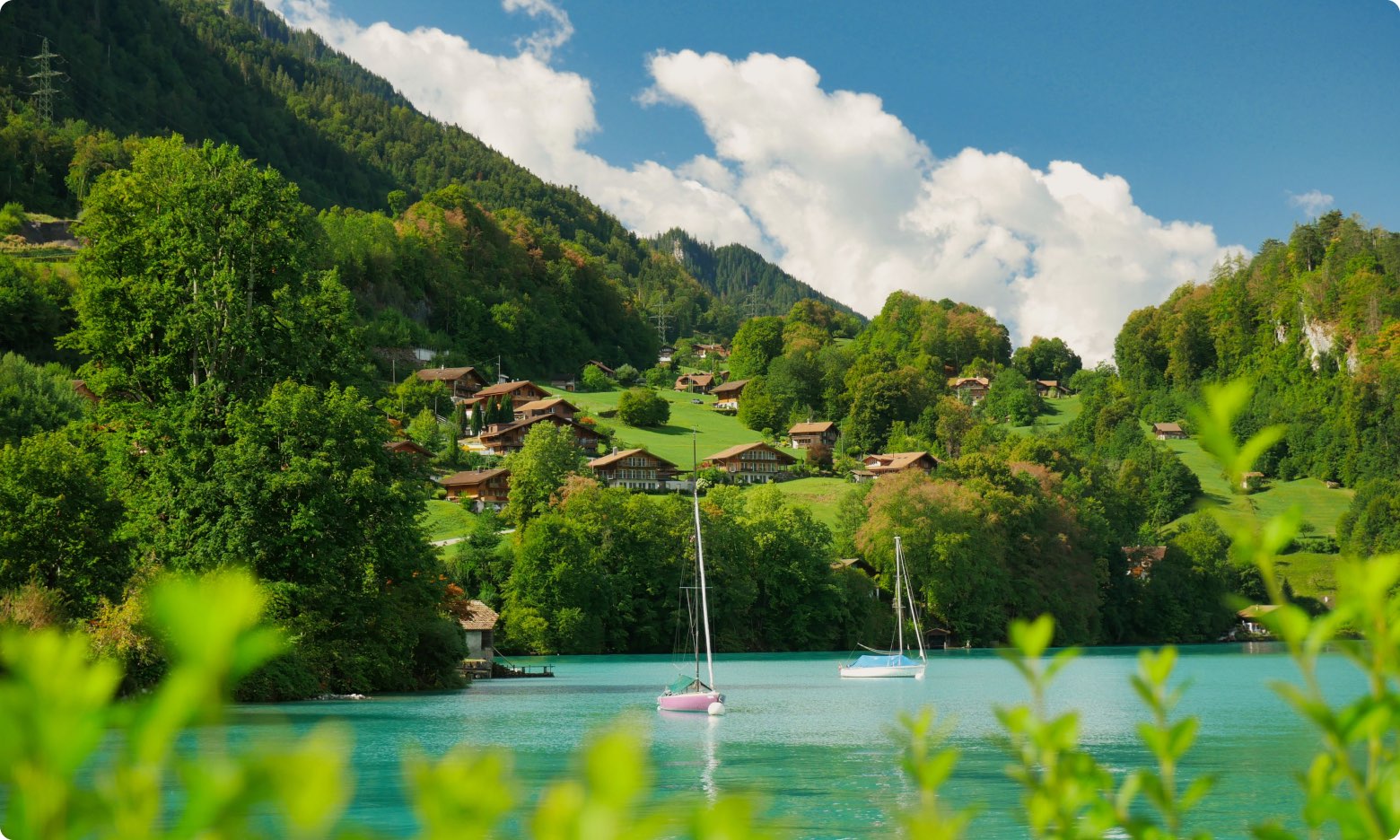
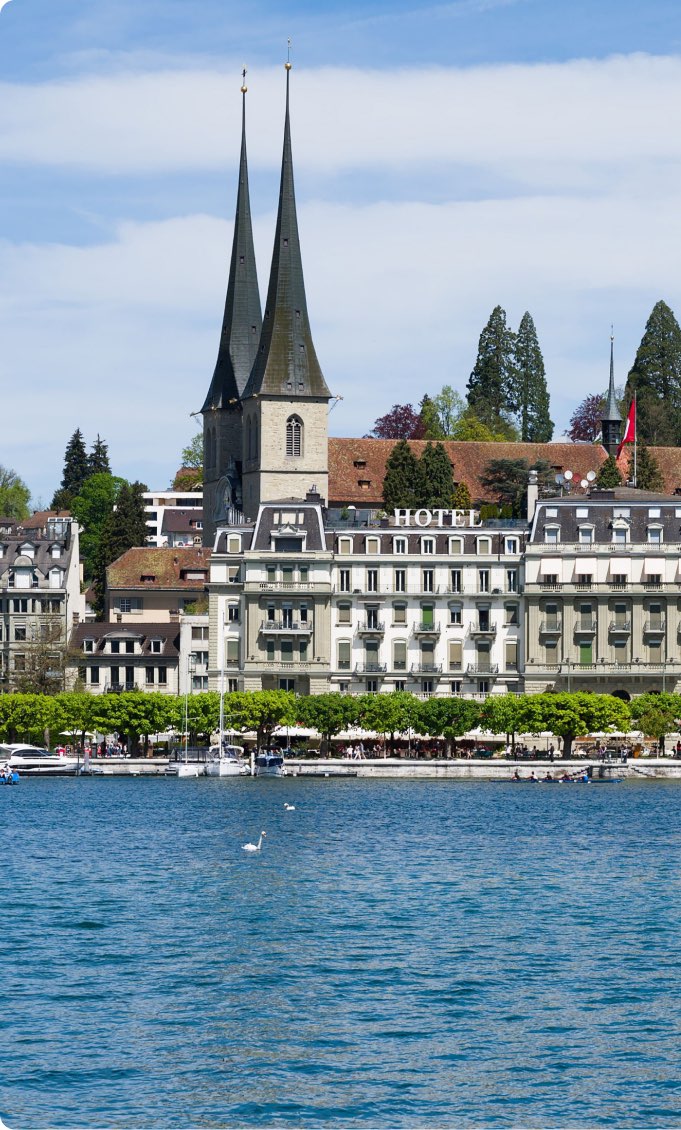
🌊 If you love lakes
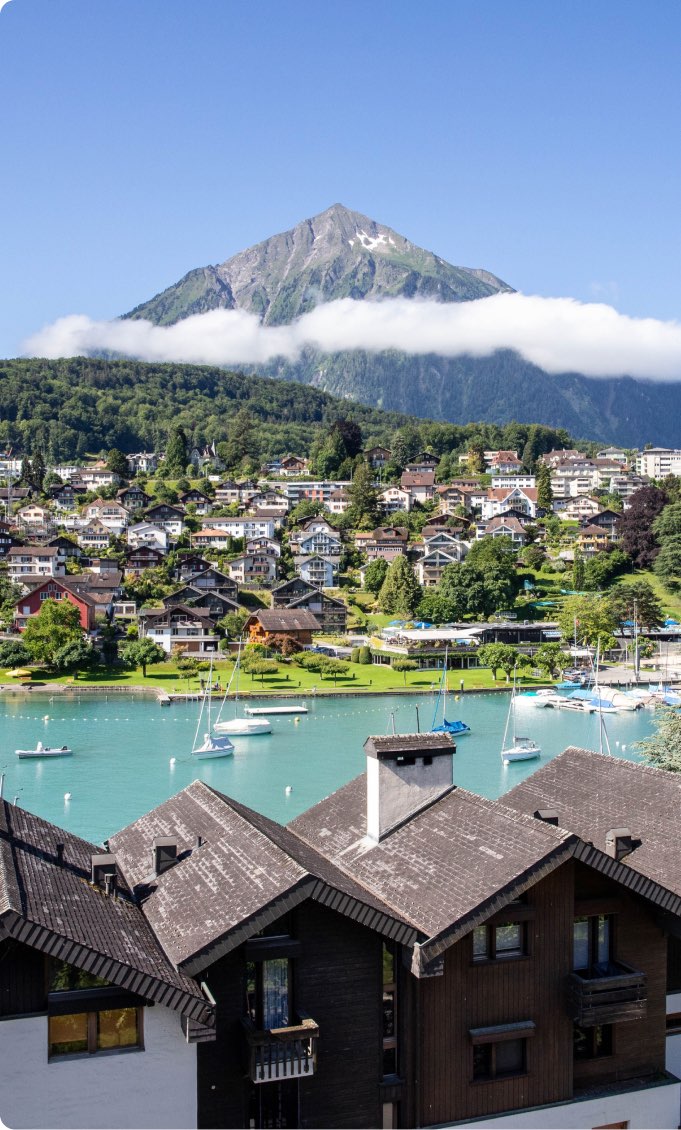
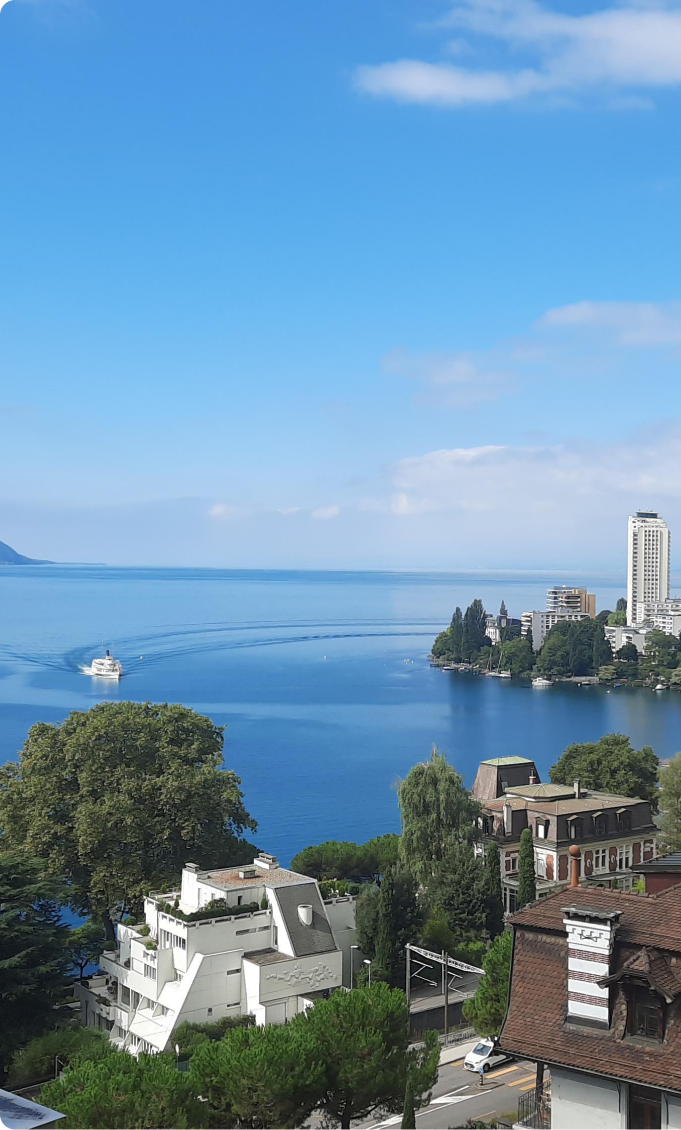
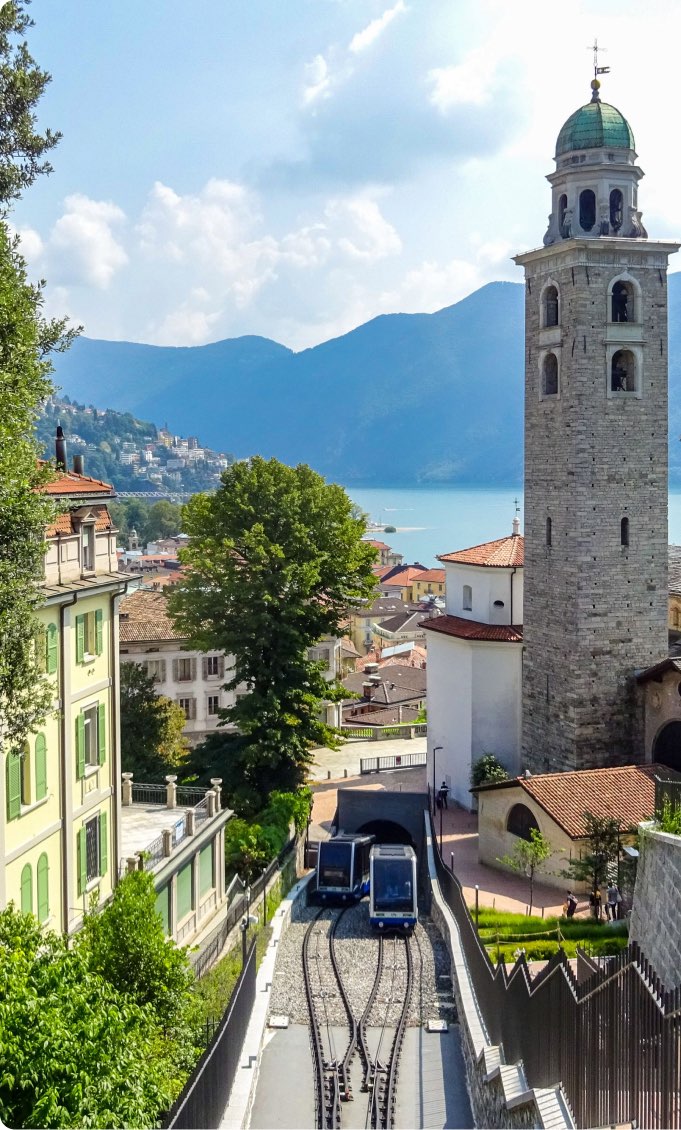
Choose Lucerne, Lake Brienz, Montreux, or Lugano.
Switzerland has countless lakes and rivers, and many of them combine beautifully with mountain scenery.
🏡 If you want charming villages
Choose Lauterbrunnen, Grindelwald, or Appenzell.
These places are ideal if you want your trip to feel slower and more intimate.
🏙️ If you want cities and culture
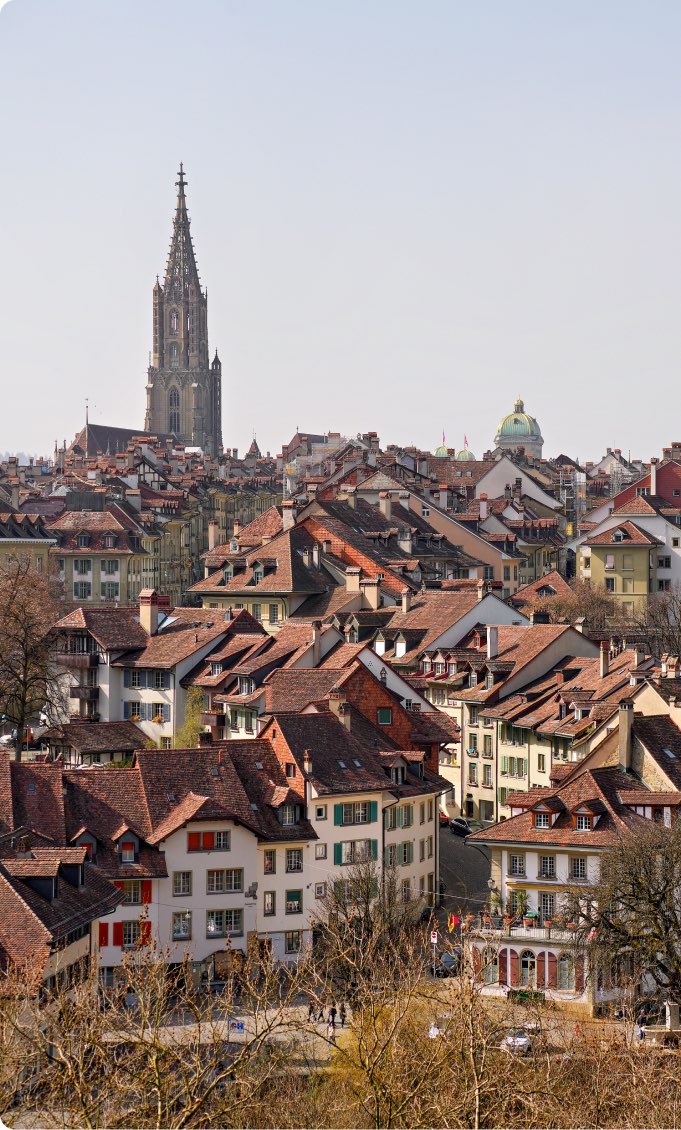
Choose Lucerne, Bern, or Lugano.
Each offers a very different side of Switzerland — from medieval architecture to lakeside city life and Mediterranean influences.
🚆 If the journey itself is part of the adventure
Consider Switzerland's panoramic train routes.
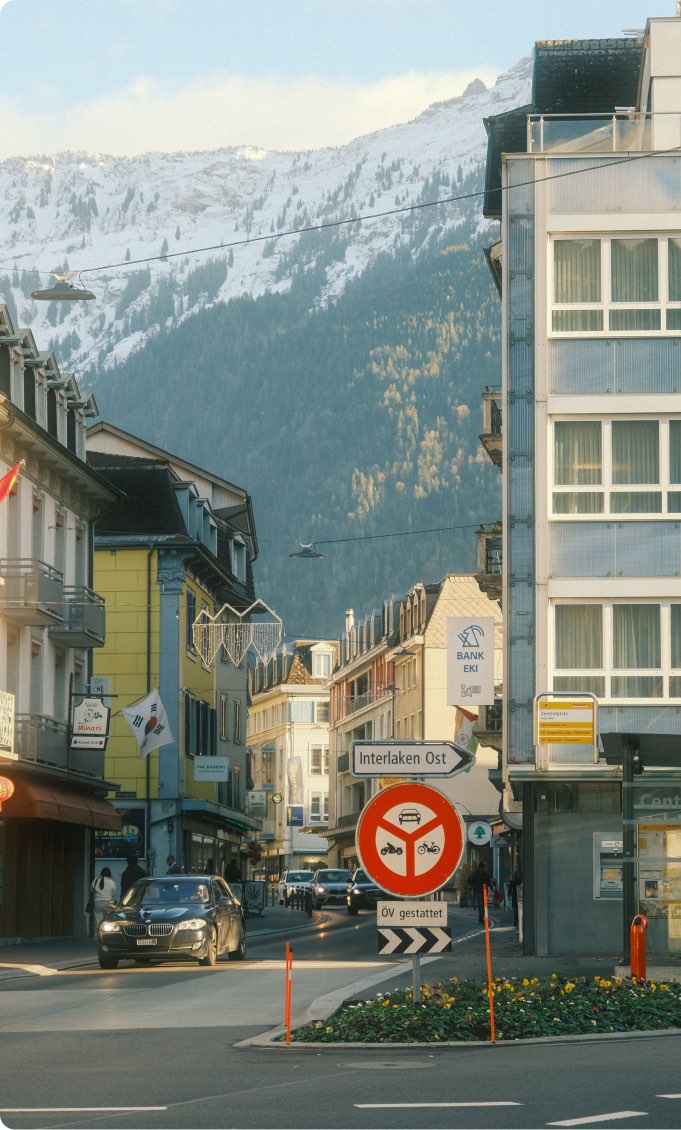
The country's scenic railway experiences connect places such as Zurich, Lucerne, Interlaken, Montreux, Zermatt, Lugano, and St.
Moritz. Routes such as the Glacier Express, Bernina Express, GoldenPass Express, and Lucerne–Interlaken Express turn getting
from one place to another into part of the experience.
When Is the Best Time to Visit Switzerland?
There isn't one perfect season for Switzerland. Each season changes the experience.
🌿 Spring — March to May
The landscape begins turning green, flowers appear, and the country starts emerging from winter.
Spring can be a beautiful time for city breaks and lower-altitude exploration, although conditions can vary significantly with elevation.
☀️ Summer — June to August
Summer is ideal for hiking, mountain excursions, and enjoying Switzerland's lakes and rivers. Switzerland Tourism lists June through
August as the warmest period, with typical daytime temperatures around 18–28°C depending on location and elevation.
🍂 Autumn — September to November
This might be the season for you if you prefer quieter landscapes and warm colors.
Forests turn shades of red and gold, the harvest season begins, and the mountains can offer exceptionally clear views.
❄️ Winter — December to February
Snow transforms the mountains and villages, making winter the season for skiing, snow-covered landscapes, cozy stays, and festive
city experiences.
Snow conditions vary, especially at lower elevations, so it's worth checking conditions for the specific region you're visiting.
How Long Do You Need in Switzerland?
That depends on how much of the country you want to experience.
3–4 days: Choose one region, such as Lucerne and the surrounding area.
5–7 days: Combine two or three destinations, such as Lucerne, Interlaken, and Montreux.
8–14 days: Give yourself time to travel more slowly and combine cities, lakes, mountains, and scenic rail journeys.
For example, Switzerland Tourism's Lakes & Peaks route takes a minimum of six days and connects destinations including Zurich, Lucerne, Interlaken, Montreux, Zermatt, Lugano, and others.
The goal isn't to see everything.
It's to choose the places that feel right for your trip.
Plan Switzerland Your Way
Maybe you want to wake up beside a turquoise lake.
Maybe you'd rather spend a week wandering through Alpine villages.
Maybe you want dramatic mountain views, scenic train rides, and a little time in the city.
There isn't one right way to experience Switzerland.
Save the places that make you want to go, shape them into a journey that fits your mood, and leave a little room for discovery
along the way.